


Key Takeaways
- A gap label sensor is essential for accurate label placement in modern labeling systems.
- Label detection sensors improve production efficiency by automating label positioning, reducing manual intervention.
- High-quality gap label sensors minimize material wastage and ensure brand consistency in packaging.
- Trusted Label Gap Sensor Suppliers in India like RBA OPTISYNC enhance operational effectiveness with reliable sensing technology.
- Investing in advanced gap label sensors leads to better quality control and reduced product rejections.
In today’s fast-moving manufacturing and packaging environment, precision is one of the most important factors influencing product quality and operational efficiency. From food and beverages to pharmaceuticals, cosmetics, logistics, and consumer goods, accurate labeling plays a critical role in maintaining brand identity, regulatory compliance, and customer satisfaction. One of the most important components that makes precise labeling possible is the Gap Label Sensor.
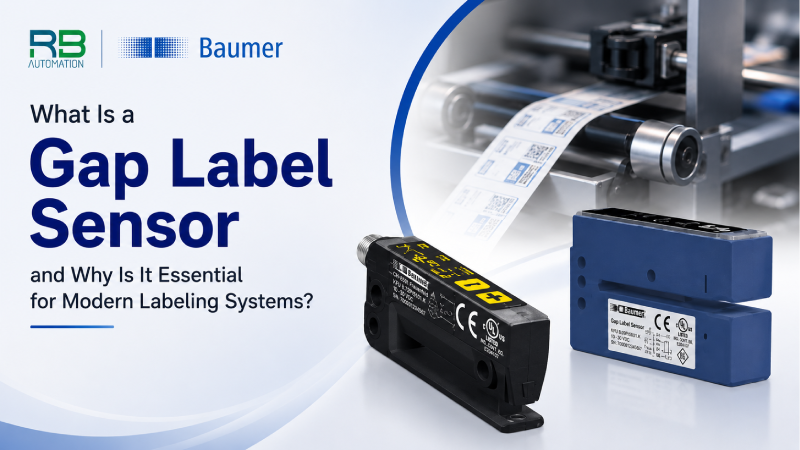
A Gap Label Sensor is a specialized sensing device used in automatic labeling machines to detect the gap between labels on a label roll. This technology helps labeling systems identify the exact position of each label before application, allowing products to be labeled accurately and consistently. As industries continue adopting automation, the demand for advanced sensing technologies has increased significantly, making gap label sensors a fundamental part of modern labeling systems.
At RBA OPTISYNC PRIVATE Limited, we understand the importance of reliable sensing solutions in industrial automation. Our advanced gap label sensors are designed to improve labeling accuracy, reduce wastage, and support high-speed production environments.
Understanding a Gap Label Sensor
Gap Label Sensor: Optical sensor that detects the gaps or spaces between successive labels on a label backing material. The sensor can continuously sense the label roll and in conjunction with the label machine, determine the end of a label and the start of a new one.
The sensor functions by transmitting and receiving light on the material of the label. The light shines through the gap area and the sensors are able to see that the light intensity has changed. This data will enable the labeling machine to place a label accurately in front of the dispensed label.
Today, gap label sensors can detect many types of label materials – transparent, opaque, metallic, specialty. They are incredibly precise and are vital to automated labeling systems in several industries.
How Does a Gap Label Sensor Work?
The working principle of gap label sensor is relatively simple but very effective.
The sensor projects a light beam on the label material. The device keeps measuring variations in the light that is transmitted or reflected by the labels as they pass through. The labels pass through the sensor, and the device continuously measures variations in the transmitted or reflected light. If a separation between the labels flows through the sensing area, the light detected will change considerably.
This change serves as a signal to the labelling machine, and a mark for where the edge of the label is. To assure that labels are positioned correctly, the system then synchronizes the dispensing of labels with the movement of the product.
A label detection sensor also is included in many advanced systems to boost performance when dealing with challenging label materials. These sensors enhance consistency and minimize labelling inaccuracies, especially in high-speed production environments.
Why Is a Gap Label Sensor Important in Modern Labeling Systems?
The need for a gap label sensor is far greater than just label position. It directly affects productivity, efficiency, presentation of the products and operational cost.
Improved Labeling Accuracy
A major benefit of a gap label sensor is the ability to precisely place labels. Correct positioning is essential for a professional look and to comply with industry standards. From product details, barcodes, expiration dates, to branding, alignment is crucial, whether you’re dealing with a label. Quality label detection sensors ensure the same positioning of thousands of products.
Reduced Product Rejection
Mislabeling can result in product rejection, customer complaints, and compliance problems. The use of gap label sensors minimizes these risks as they give an accurate way of detecting the position of the labels. This helps businesses avoid wasting time and effort on labelling mistakes, ensuring greater product quality.
Increased Production Efficiency
Contemporary industrial plants tend to run at very high speeds. Production times can be lengthened and labour costs increased with manual adjustments and correction. Gap label sensors are used to automate the positioning of the labels for the labelling machines, enabling them to operate continuously with very little intervention. This helps to boost throughput and efficiency in operations.
Better Resource Utilization
The waste of labels can be a big expense on production costs. Accurate sensing eliminates unwanted “skipped labels” and the chance of “double-labelling” or “misapplying” labels. Label detection can enable companies to use labels to their full potential and minimize material wastage and operational costs.
Features of Modern Gap Label Sensors
Modern gap label sensors have evolved significantly to meet the needs of advanced manufacturing environments.
High Detection Accuracy
Advanced sensors can detect extremely small gaps between labels, making them suitable for high-speed applications.
Easy Calibration
Many sensors offer user-friendly setup procedures, reducing installation time and simplifying operation.
Compatibility with Various Label Types
Today’s sensors can detect opaque, transparent, metallic, and specialty labels with exceptional accuracy.
Fast Response Time
High-speed production lines require rapid sensor response. Modern gap label sensors are designed to keep pace with demanding manufacturing environments.
Durable Construction
Industrial environments can expose equipment to dust, vibration, and temperature variations. Quality sensors are built for long-term reliability under challenging conditions.
The Role of a Label Detection Sensor in Advanced Automation
Label detection sensors play a vital role in enhancing the capabilities of automated systems. Label detection sensors are key components in the field of advanced automation.
Label detection sensors play an ever-decreasing role as the technologies of automation continue to evolve. These sensors are used to give input to the labelling machines that keep them in sync with the flow of products.
A modern label detection sensor can help reduce downtime, errors, and improve machine performance, to ensure continuous production. In a business world that is seeking to be more efficient and cut down operational costs, sensor technology is a critical asset that can help them reach those goals.
Benefits of Investing in High-Quality Gap Label Sensors
The adoption of high-end sensing technology can offer businesses multiple benefits of their operation.
These include better label consistency, less product reject, less material waste, better production efficiencies, and better quality control processes.
A reliable label detection sensor can play a positive role in these improvements by providing label position information during the entire process.
With an eye on sensor quality, manufacturers can deliver longer sensor life and reduced maintenance needs.
Why Choose Us
RBA OPTISYNC PRIVATE LIMITED is committed to providing state-of-the-art sensing and automation solutions to meet the demands of today’s industrial needs. Thanks to our innovative, high-precision and technical solutions, we can now deliver reliable solutions for gap label sensor applications for all kinds of applications. We know the demands of manufacturers and packaging businesses, and provide products that are accurate, durable, and long-lasting. RBA OPTISYNC PRIVATE LIMITED is known for providing solutions tailored to the customer’s requirements, after understanding the operational needs of the customer. RBA OPTISYNC PRIVATE LIMITED is a trusted brand among the businesses that trust and depend on the labeling automation technology in order to provide the best customer experience and industrial excellence. Our products enhance productivity and help organizations become more efficient in competitive manufacturing environments whilst minimizing operational issues.
Conclusion
Gap label sensors have become an essential component of modern labeling systems, supporting accurate label placement, improved efficiency, and reduced production errors. As industries continue embracing automation, the importance of precise sensing technology continues to grow. From food processing and pharmaceuticals to logistics and consumer goods manufacturing, gap label sensors help maintain consistency, quality, and productivity across operations. By selecting advanced sensor solutions from trusted providers like RBA OPTISYNC PRIVATE Limited, businesses can optimize labeling performance, reduce waste, and enhance overall operational effectiveness. Investing in reliable gap label sensing technology is a strategic step toward achieving long-term manufacturing excellence and improved product presentation.
Want to learn more about Gap Label Sensors and how they improve modern labeling systems? Contact RBA OPTISYNC PRIVATE Limited today at +91 8511104864 or email contact@rbautomate.com
Frequently Asked Questions
What is a gap label sensor?
A gap label sensor is an optical device used in automatic labeling machines to detect the spaces between labels on a roll. By sensing the gaps, these sensors help ensure accurate positioning of labels during the labeling process.
Why is a gap label sensor essential for modern labeling systems?
Gap label sensors are crucial because they enhance labeling accuracy, reduce product rejection, and improve production efficiency. They enable automated systems to maintain high-speed operations with minimal errors, thus optimizing resource utilization.
How does a label detection sensor work?
A label detection sensor operates by projecting a light beam onto the label material and measuring variations in the reflected or transmitted light. When a gap between labels is detected, it signals the labeling machine to correctly position the next label for application.
What are the benefits of using label gap sensors from suppliers in India?
Using label gap sensors from reputable suppliers in India, like RBA OPTISYNC, ensures access to high-quality, reliable technology that enhances labeling performance. These sensors can improve accuracy, efficiency, and reduce operational costs for manufacturing businesses.
What features should I look for in a modern gap label sensor?
Look for features such as high detection accuracy, compatibility with various label types, easy calibration, fast response times, and durable construction. These attributes ensure that the sensor can effectively operate in demanding industrial environments.
