

- Home
- Use of Photoelectric Sensors in Goods Detection on Conveyor
Use of Photoelectric Sensors in Goods Detection on Conveyor
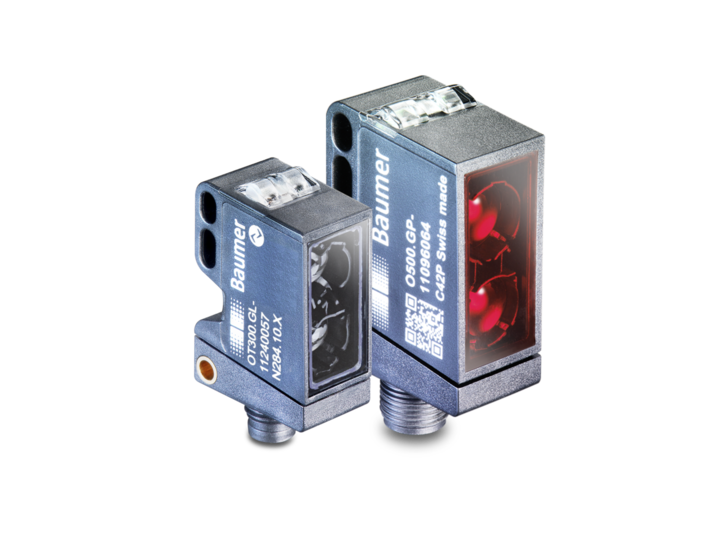
In modern industrial automation, the demand for accurate and fast object detection has never been more vital. One of the most reliable tools for this task is the Diffuse Photoelectric Sensor. Unlike traditional sensors that may struggle with transparent or non-metallic surfaces, the Diffuse Photoelectric Sensor uses the principles of light reflection and detection to provide a non-contact, high-precision solution. At RB Automation , we deliver highly efficient photoelectric sensing solutions, enhancing performance in goods detection systems across various industries. As goods travel conveyor belts in warehouses, industrial plants, or sorting facilities of different sizes or shapes of object, quick identification is important for functions such as counting, sorting, packaging, and safety verification. Photoelectric Diffuse are especially well-suited for sensors because of their capacity to identify a variety of materials, such as fabric, paper, and plastic. They are perfect for modern automation lines since they are made of metal, plastic, wood, glass, and textured surfaces.
What is a Diffuse Photoelectric Sensor?
A Diffuse Photoelectric Sensor is a type of proximity sensor that uses light beams to detect objects without physical contact. In this system, both the light emitter and receiver are housed in the same unit. The sensor emits a beam of light, which reflects off the target object and returns to the receiver. The presence of the object is confirmed when the light is detected by the receiver. This self-contained design makes Diffuse Photoelectric Sensors compact and easy to install. Moreover, they are especially effective in detecting non-metallic objects that traditional sensors like inductive types may miss. In goods detection on conveyor belts, where objects of varying shapes, sizes, and materials need to be detected swiftly and accurately, these sensors provide unmatched functionality.
Key Advantages of Using Diffuse Photoelectric Sensors
- Non-Contact Operation
Diffuse Photoelectric Sensors offer a hygienic and wear-free solution since they detect objects without touching them. This is crucial in industries like food processing and pharmaceuticals. - High Accuracy and Fast Response
These sensors provide fast response times and accurate detection, which are essential for high-speed conveyor systems. - Versatile Material Detection
They are capable of detecting objects regardless of color, texture, or reflectivity. This makes them ideal for detecting various goods on conveyors. - Simple Installation
Being self-contained units, Diffuse Photoelectric Sensors require minimal wiring and setup time, leading to quicker deployment in automation lines. - Compact and Durable
They are compact in size, allowing them to fit easily into tight spaces. Their robust design also withstands harsh industrial environments.
Applications of Photoelectric Sensors in Conveyor Systems
- Object Counting: On packaging lines, Diffuse Photoelectric Sensors are used to count items before they are boxed or palletized.
- Size and Shape Detection: These sensors help detect and differentiate between products of different dimensions moving on the conveyor.
- Jam Detection: In conveyor systems, sensor inputs can be used to detect jams or blockages and stop the system before damage occurs.
- Presence Verification: Before labeling or sealing, sensors verify the presence of products to avoid errors.
- Sorting Operations: In automated logistics, Diffuse Photoelectric Sensors aid in sporting goods based on size or placement.
Choosing the Right Diffuse Photoelectric Sensor
Not all applications are the same, which means not all sensors are equal. Key factors to consider when selecting a Diffuse Photoelectric Sensor include:
- Sensing Distance: Required range between the sensor and object
- Object Properties: Surface texture, color, and material
- Ambient Conditions: Temperature, humidity, dust, and light interference
- Output Type: Compatibility with control systems
As experienced automation specialists, RB Automation offers sensors that meet the above considerations while maintaining reliability and longevity.
Why Choose Us?
At RB Automation, we specialize in automation solutions that drive performance and efficiency. With a commitment to delivering cutting-edge products like Diffuse Photoelectric Sensors, we cater to a wide range of industries. Our team offers personalized support, from initial consultation to after-sales service, making automation seamless and effective. With extensive experience and access to premium sensor brands, RB Automation stands out as a reliable partner in your automation journey.
Conclusion
Diffuse Photoelectric Sensors have redefined how industries detect and manage goods on conveyor belts. Their adaptability, high precision, and ease of use make them indispensable in modern automated systems. From packaging and sorting to real-time monitoring, these sensors provide critical inputs that enhance operational efficiency. Partner with RB Automation to upgrade your automation setup with the latest in sensor technology.
For more information about this Product of Photoelectric Sensors in Goods Detection on Conveyor, call us at +91 8511104864 or email us at: contact@rbautomate.com.
Frequently Asked Questions
What is a diffuse photoelectric sensor?
A diffuse photoelectric sensor is a non-contact sensor that has its light emitter and receiver in the same housing. It sends out a light beam, which reflects off the target object back to the receiver, confirming the object is present. This self-contained design is compact, easy to install and detects non-metallic objects that inductive sensors may miss.
How are photoelectric sensors used on conveyor belts?
On conveyors, diffuse photoelectric sensors count items before boxing or palletising, detect and differentiate products by size and shape, and detect jams so the system can stop before damage occurs. They also verify product presence before labelling or sealing and support automated sorting based on size or placement.
What materials can a diffuse photoelectric sensor detect?
Diffuse photoelectric sensors can detect a wide variety of materials, including metal, plastic, wood, glass, paper, fabric and textured surfaces. Because they work on light reflection rather than metal detection, they handle mixed goods on conveyors well, though object colour, texture and surface finish should still be considered when selecting a model.
How do I choose the right photoelectric sensor for goods detection?
Consider the sensing distance needed between sensor and object, the object's surface texture, colour and material, and ambient conditions such as temperature, humidity, dust and light interference. Also confirm the output type is compatible with your PLC or control system. RB Automation can recommend a suitable model for your conveyor application.
What is the price of a photoelectric sensor in India?
RB Automation does not publish a fixed price list for photoelectric sensors. The price depends on the sensor type, sensing distance, output type, housing and quantity. Send your requirement through the inquiry form on the website, call +91 8511104864 or email contact@rbautomate.com and the team will share a quotation.

Mr. Gaurav Patel
Managing Director, RB Automation, Ahmedabad
A visionary industrial leader, Gaurav Patel has steered RB Automation since 2013 as a trusted manufacturer, trader, and importer of premium automation and sensing solutions. Under his leadership, the company has built a strong reputation for delivering precision-engineered flow meters, pressure transmitters, proximity sensors, stepper motors, and AC drives across electrical and engineering industries nationwide. His commitment to quality, ethical business practices, and client-centric approach has earned RB Automation a vast and loyal customer base.