


Our Journey of Innovation and Excellence: RBA’s Remarkable Odyssey
Embarking on a journey is not just about reaching a destination; it’s about the experiences gained, lessons learned, and the transformative evolution along the way. For RBA Optisync Private Limited Limited, the path from inception to becoming a leader in customized automation solutions is a compelling story of resilience, innovation, and an unwavering commitment to excellence.

Chapter 1: Inception – Planting the Seeds of Innovation
In 2014, RBA Optisync Private Limited took its first steps as a technical trading company, laying the groundwork for what would evolve into a dynamic force in the automation industry. From the outset, the company’s founders envisioned a future where customization would be the key to unlocking the true potential of automation.
Chapter 2: Growth and Expansion – Navigating New Horizons
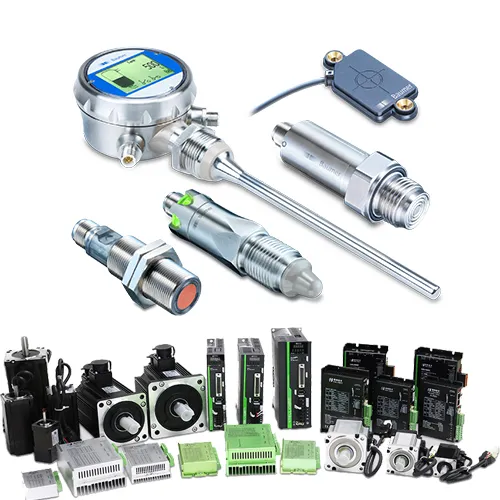
As the years unfolded, RBA Optisync Private Limited diversified its offerings. From providing automation solutions to introducing a product portfolio of Baumer, the company consistently expanded its reach and expertise. The establishment of a separate division for CONTROL SYSTEM solutions in 2017 marked a strategic move towards comprehensive automation offerings. in 2017 Our company collaborated with Rtelligent Technology & introduce new driver & controllers
Chapter 3: Collaboration and Innovation – Aiming for the Skies
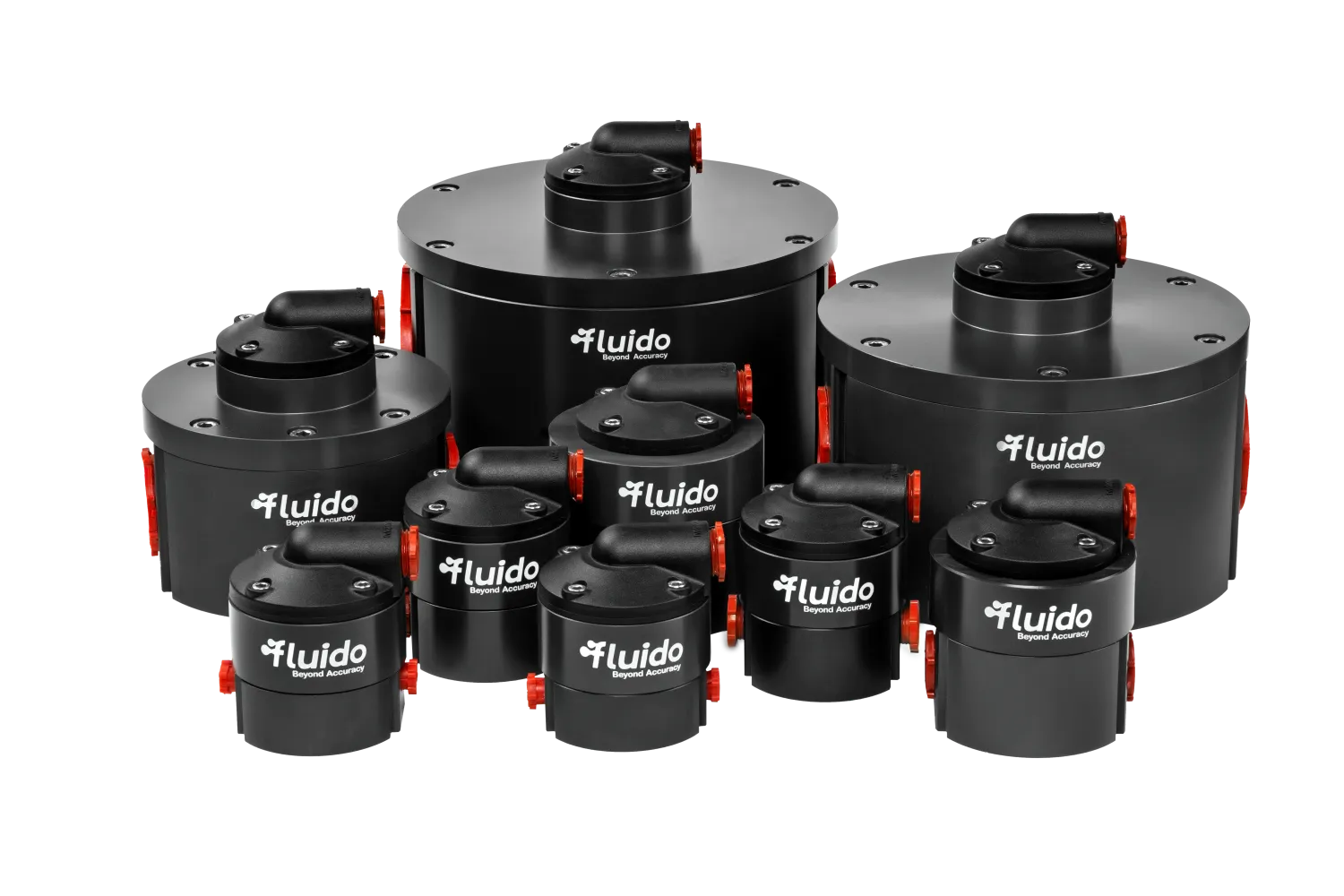
In 2020, RBA Optisync Private Limited introduced its process sensor product portfolio under the brand name RB, a testament to its commitment to pushing the boundaries of innovation. Collaborating with Trigear, a UK-based company, and introducing its own brand Fluido Sense for manufacturing flow meters in 2021 further solidified RBA Optisync Private Limited’s position as an industry pioneer.
Chapter 4: Key Milestones – Sailing Towards Expansion
With each passing year, RBA Optisync Private Limited set sail towards the skies of expansion. The year 2022 marked a pivotal moment in the company’s journey, symbolizing a relentless pursuit of growth, technological advancement, and a commitment to staying at the forefront of the automation landscape.


Chapter 5: Our Vision – Charting a Course for the Future
At the core of RBA Optisync Private Limited’s journey lies a vision – to be the most preferred brand by empowering businesses through end-to-end solutions at affordable prices. This vision serves as a guiding star, propelling the company forward into new realms of innovation and customer satisfaction.
Chapter 6: Leadership and Support – Pillars of Strength
RBA Optisync Private Limited’s leadership plays a crucial role in steering the ship through the ever-changing tides of the industry. The apprehensive approach of the team enables the company to stand out as a leader, while their commitment to offering services that help and support remains an integrated part of the company’s identity.

Conclusion: A Journey Unfolding
As we reflect on RBA Optisync Private Limited’s journey, it becomes evident that the path to excellence is not a straight line but a series of ventures into the unknown. With a rich tapestry of achievements, collaborations, and a steadfast commitment to customization, RBA Optisync Private Limited Limited’s odyssey continues to shape the future of automation, promising even more remarkable milestones on the horizon. In the spirit of continuous innovation and customer centric solutions, RBA Optisync Private Limited invites you to be a part of this ongoing journey

Our Vision
To be reckoned as the most preferred brand by empowering businesses through end to end solutions at affordable prices.

Leadership
It is our apprehensive approach that enables us to stand out as a leader in the realm.

Support
Offering services that help & support are an integrated part of our identity.
Why Automation

Competitive Advantage
Implementing process automation can give organizations a significant competitive edge. Automation allows businesses to deliver products and services faster, with higher quality and at lower costs, positioning them as industry leaders and differentiating them from competitors.
Increased Efficiency
Process automation eliminates manual tasks and streamlines operations, leading to improved efficiency. Repetitive and time-consuming tasks can be automated, allowing employees to focus on more strategic and value-added activities.


Production Cost Reduction
By automating processes, organizations can significantly reduce costs associated with labor, errors, and inefficiencies. Automation eliminates the need for manual intervention, minimizing human error and reducing the risk of costly mistakes.
Improved Accuracy
Automation ensures a higher level of accuracy and consistency in executing tasks. By removing human intervention, the chances of errors, such as data entry mistakes or miscalculations, are greatly reduced, resulting in improved data quality and decision-making.


Enhanced Productivity
With automation handling repetitive tasks, employees have more time to focus on critical and creative aspects of their work. This leads to increased productivity, as individuals can dedicate their energy to higher-value activities that require human intelligence and problem-solving skills.
Better Scalability
Process automation allows organizations to easily scale their operations without significant increases in resources. Automated systems can handle larger volumes of work, adapt to changing demands, and accommodate growth without sacrificing efficiency or quality.


Reduced Cycle Time
Automation reduces process cycle times by minimizing delays caused by manual intervention or handoff between departments. Tasks can be completed faster as the cycle time is reduced, enabling quicker turnaround times for customers, suppliers, or internal stakeholders.
Enhanced Compliance and Auditability
Automation helps organizations maintain regulatory compliance by ensuring consistent adherence to predefined rules and standards. Automated systems provide comprehensive audit trails, making it easier to track and monitor processes for compliance purposes.


Data-Driven Decision Making
Automation generates accurate and real-time data, providing valuable insights for decision-making. By automating data collection, analysis, and reporting, organizations can make data-driven decisions, identify trends, and optimize processes more effectively.
