


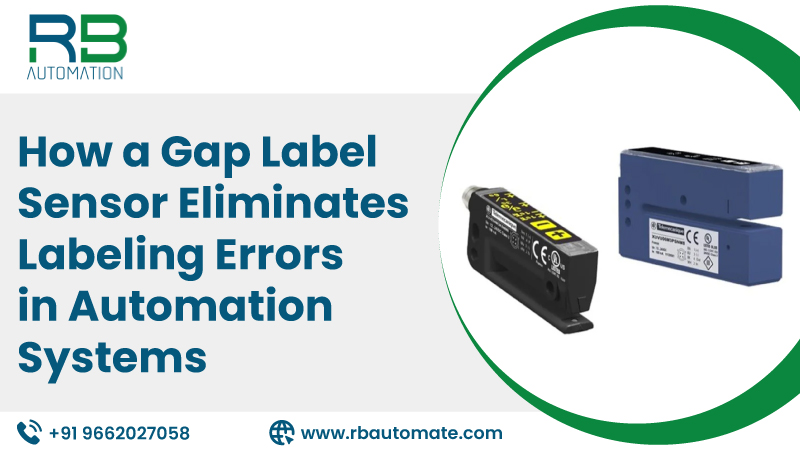
Labelling looks simply until it goes wrong. A missed label, a double label, or a misplaced sticker can stop an entire production line. It can waste material, delay shipments, and damage brand trust. In automated packaging and labelling systems, accuracy is everything. This is where a gap label sensor becomes a quiet hero. It works in the background, detecting label gaps with precision and guiding machines to place every label exactly where it belongs. If you handle automated labelling, this guide explains how a gap label sensor removes errors, improves consistency, and keeps your operations running smoothly.
In modern automation, sensors do more than detect. They protect speed, quality, and confidence. A reliable label gap sensor allows machines to recognize the exact space between labels, doing well. This small action prevents key issues. When paired with the right control logic, Labelling becomes predictable and stable, even at high speeds.
Understanding Labeling Errors in Automation Systems
Labeling errors often start with poor detection. When machines fail to detect the gap between labels, they apply labels at the wrong time. This leads to skewed placement or skipped products. In fast-moving packaging lines, even a slight delay can cause repeated errors. A gap sensor for label works by identifying the transparent or non-printed space between labels. Once detected, the system triggers precise label dispensing. Without this feedback, machines rely on timing alone, which rarely works under variable speeds. This is why industries now rely heavily on accurate label detection sensor technology.
What Is a Gap Label Sensor and How It Works
A label gap sensor is designed to detect differences between the label and its backing material. It uses optical technology to sense contrast or transparency. When the gap passes through the sensor, the system receives a clear signal. This signal tells the labelling machine exactly when to release the next label. This real-time detection removes guesswork. It adapts automatically to speed changes, roll diameter variation, and label length differences. A well-configured gap sensor for label keeps alignment stable across long production runs.
Why Gap Detection Matters in High-Speed Labelling
High-speed automation leaves no room for error. Machines process hundreds of products per minute. In this environment, timing-based systems fail quickly. A reliable label detection sensor becomes essential. By detecting each gap accurately, the sensor synchronises label feed with product movement. This coordination reduces waste and avoids rework. Businesses working with experienced label detection sensor suppliers benefit from better sensor selection and tuning. This helps maintain accuracy even when packaging formats change.
Applications That Depend on Gap Label Sensors
Gap label sensors are used across many industries. Food and beverage plants rely on them to label bottles and jars cleanly. Pharmaceutical companies depend on precise Labeling for compliance and traceability. Cosmetics and personal care brands need consistent placement to maintain shelf appeal. In all these sectors, working with dependable label gap sensor suppliers improves system reliability. These suppliers understand how label material, backing paper, and environmental conditions affect detection performance.
Common Causes of Labeling Errors Without Proper Sensors
When Labeling systems lack proper sensors, several issues appear. Labels may overlap. Some products leave the line unlabelled. Others receive labels at the wrong angle. These problems increase rejection rates and slow down packaging lines. A high-quality label gap sensor solves these issues by maintaining consistent trigger points. It reacts instantly to each gap. This precision reduces mechanical stress on Labeling heads and improves overall system life.
Choosing the Right Label Gap Sensor for Your Application
Not all labels behave the same way. Transparent labels, metallic foils, and coloured backing materials all require different detection settings. Selecting the right gap sensor for label depends on label type, line speed, and machine design. Experienced label gap sensor suppliers in India help match sensor specifications to application needs. They consider factors like ambient light, dust, and vibration. This guidance improves reliability and reduces adjustment time during installation.
Importance of Supplier Expertise in Sensor Performance
Sensor quality matters, but supplier support matters just as much. A knowledgeable supplier helps with mounting position, sensitivity settings, and signal integration. This is why industries prefer working with trusted label gap sensor suppliers who understand automation challenges. In regions like Gujarat, local support plays a key role. Label gap sensor suppliers in gujarat offer faster service and on-site assistance. Across the country, reliable label gap sensor suppliers in India support industries with application-focused solutions.
Integration with Automation Systems
A label detection sensor works best when integrated properly with PLCs and controllers. Clean signal processing avoids false triggers. Correct wiring and shielding protect signal quality. Modern automation systems rely on stable feedback. A properly integrated label gap sensor supports smooth coordination between conveyors, Labeling heads, and product sensors. This harmony keeps production flowing without interruptions.
Long-Term Benefits of Using Gap Label Sensors
Using a reliable gap sensor for label improves more than accuracy. It reduces downtime caused by jams and misfeeds. It lowers label waste and improves machine efficiency. Over time, these benefits translate into cost savings and higher throughput. When businesses partner with experienced label detection sensor suppliers, they gain access to technical insights that extend equipment life. This long-term value makes gap sensors a smart investment for any automated Labeling system.
Why Choose Us
RBA OPTISYNC PRIVATE LIMITED focuses on delivering practical and reliable automation solutions. The company understands how critical accurate Labeling is for production quality and brand image. With strong experience in label gap sensor applications, RBA OPTISYNC PRIVATE LIMITED helps clients select the right label detection sensor based on operating conditions. The team supports installation, setup, and long-term performance improvement. By working closely with manufacturers and integrators, RBA OPTISYNC PRIVATE LIMITED delivers solutions that reduce errors, improve efficiency, and support smooth automation across industries.
Conclusion
Labeling accuracy defines product presentation and process efficiency. A reliable label gap sensor removes uncertainty from automated Labeling systems. By detecting every gap precisely, it supports consistent label placement even at high speeds. Industries that invest in the right gap sensor for label experience fewer errors, less waste, and smoother operations. With expert support from RBA OPTISYNC PRIVATE LIMITED, businesses gain not only quality sensors but also practical guidance. This combination strengthens automation performance and builds confidence in every labelled product leaving the line.
Key Takeaways
- Gap label sensors improve Labeling accuracy and consistency.
- Accurate gap detection reduces waste and downtime.
- Supplier expertise plays a key role in sensor performance.
- Local support helps resolve issues faster.
- Reliable sensors protect brand image and production flow.
Want to eliminate Labeling errors with the right gap label sensor? Contact RBA OPTISYNC PRIVATE LIMITED today. Call +91 9662027058 or email inquiry@rbautomate.com for expert automation support.
FAQs
For what is a label gap sensor used?
It detects the space between labels on a roll to trigger accurate label placement in automated systems.
Can a gap label sensor work with transparent labels?
Yes, with proper configuration and selection, it can detect transparent and specialty labels.
Why does supplier support important for label sensors?
Correct setup and tuning improve detection accuracy and long-term reliability.
Where are label detection sensors commonly used?
They are widely used in food, pharma, cosmetics, and packaging industries.
Why choose RBA OPTISYNC PRIVATE LIMITED for Labeling solutions?
The company offers practical guidance, reliable products, and strong automation expertise.